
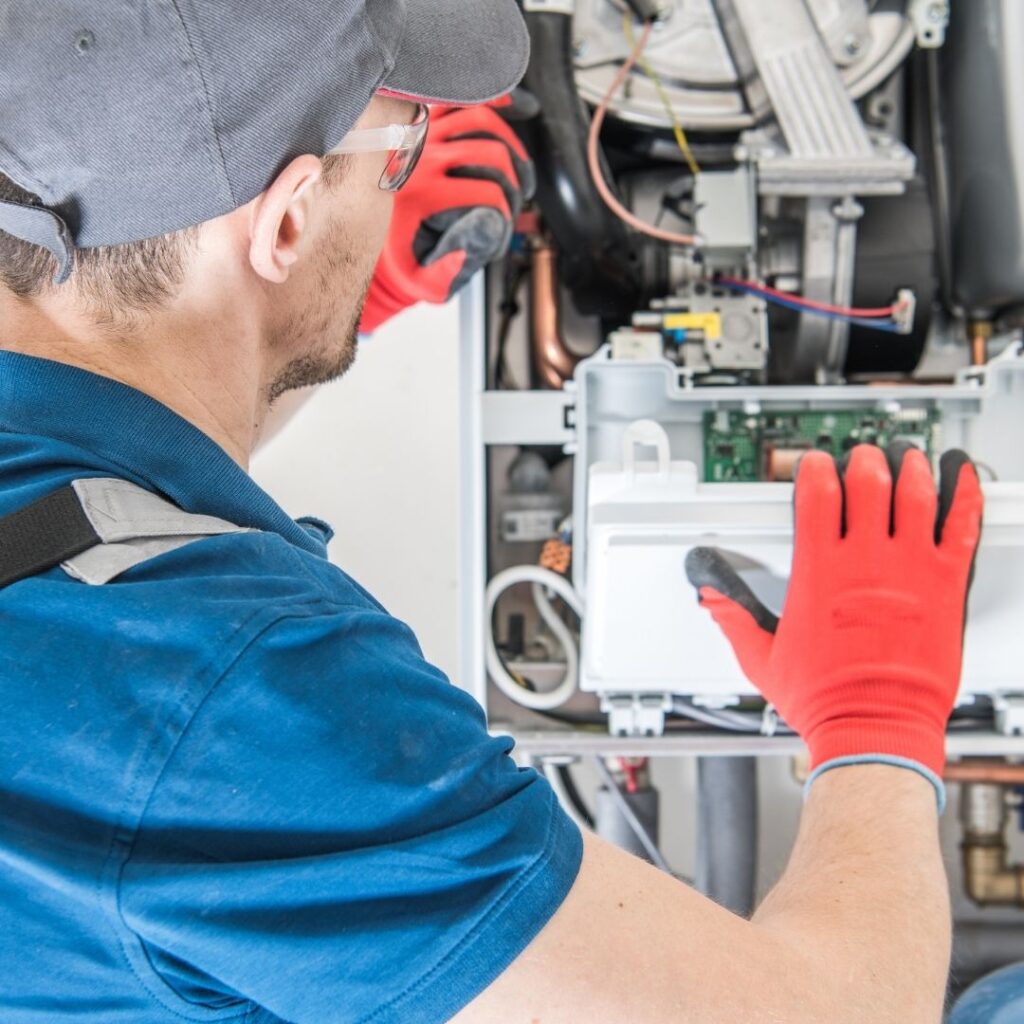
When winter settles into Littleton and the greater South Denver Metro area, a dependable furnace isn’t just a luxury, it’s peace of mind. With decades of local experience, our team has seen nearly every heating issue Colorado homeowners face. In this guide, we’ll cover the most common furnace problems, how to spot early warning signs, and a few simple troubleshooting steps you can try before calling in a professional.
1. Furnace Won’t Start
A silent furnace on a cold morning can be unsettling, but the cause is often straightforward.
What You Can Check
- Thermostat settings:
Make sure it’s set to “Heat” and the temperature is above room temp. - Power and switches:
Confirm the furnace switch is on, and check your electrical panel for a tripped breaker. - Air filter:
A clogged filter can cause safety switches to prevent startup.
Why It Happens
High-efficiency systems can be sensitive to blocked intake or exhaust pipes, which is more likely after a wet snow or wind-driven debris—both common along the Front Range.
2. Uneven Heat Between Rooms
Hot and cold spots are common in multi-level Colorado homes and older properties.
What You Can Check
- Vents and registers:
Open and clear vents, especially in rooms furthest from the furnace. - Filter health:
Replace a dirty filter to improve airflow. - Furniture and rugs:
Ensure nothing is blocking return air grilles.
Why It Happens
Our homes range from mid-century to new builds, and duct design varies widely. Long duct runs, finished basements, and closed doors can reduce airflow to far rooms, especially during windy, low-humidity days that make warm air feel cooler.
3. Strange Noises During Operation
Banging, rattling, or squealing noises are your system’s way of asking for attention.
What You Can Check
- Loose panels:
Tighten access panel screws to quiet rattles. - Filter and airflow:
Restricted airflow can lead to blower strain and whistling. - When to pause and call a pro:
Persistent banging, grinding, or screeching may signal issues like a worn blower motor or an out-of-balance wheel.
Why It Happens
Wide temperature swings along the Front Range can lead to expansion and contraction of metal ducts, amplifying noises. Dust from dry winters also accumulates, nudging parts out of tune.
4. Short Cycling (Frequent On/Off)
Short bursts of heat followed by quick shutdowns waste energy and wear parts.
What You Can Check
- Thermostat placement:
If it’s near a sunny window or supply vent, it may read warmer than the room. - Filter first:
A dirty filter is one of the most common triggers. - Vents open:
Closed vents can cause overheating and automatic shutdown.
Why It Happens
Tight, well-insulated homes in newer South Denver neighborhoods can cause oversized furnaces to heat too quickly, then shut down. Proper sizing and airflow adjustments keep comfort even and bills lower.
5. Pilot Light or Ignition Issues
Modern furnaces use electronic ignition, but the symptoms feel similar to old pilot troubles—no heat and repeated restart attempts.
What You Can Check
- Flame color:
A steady blue flame is typical; yellow or flickering flames may indicate combustion or ventilation problems. - Intake/exhaust piping:
Gently clear any visible snow or debris from exterior terminations. - Safety first:
If you smell gas, leave the home and contact your gas utility immediately.
Why It Happens
Windy weather and drifting snow can affect fresh air and exhaust. High-altitude conditions can also make combustion more sensitive, so clean burners and proper venting are essential for safety and efficiency.
Practical Tips to Prevent Recurring Issues
- Change filters every 1–3 months during heavy use. It’s the simplest way to improve comfort and reduce repairs.
- Keep outdoor intake and exhaust clear, especially after snowstorms or leaf fall.
- Schedule seasonal maintenance to catch small issues early, protect warranties, and keep energy costs steady.
- Consider a smart thermostat for steadier temperatures and helpful alerts.
Colorado’s mix of elevation, dry air, and quick-changing weather means furnaces work hard—often harder than homeowners realize. We take pride in solutions that boost comfort, savings, and peace of mind—values that matter to families across the South Denver Metro community
For over 50 years, Southwest Heating & Cooling has been the trusted choice for homeowners across Littleton, Highlands Ranch, Centennial, Castle Rock, Lakewood, Englewood, Parker, and South Denver (service areas). Call Southwest Heating & Cooling today at 303-791-2679 or schedule a service and experience comfort you can count on. You won’t find better service anywhere else.