
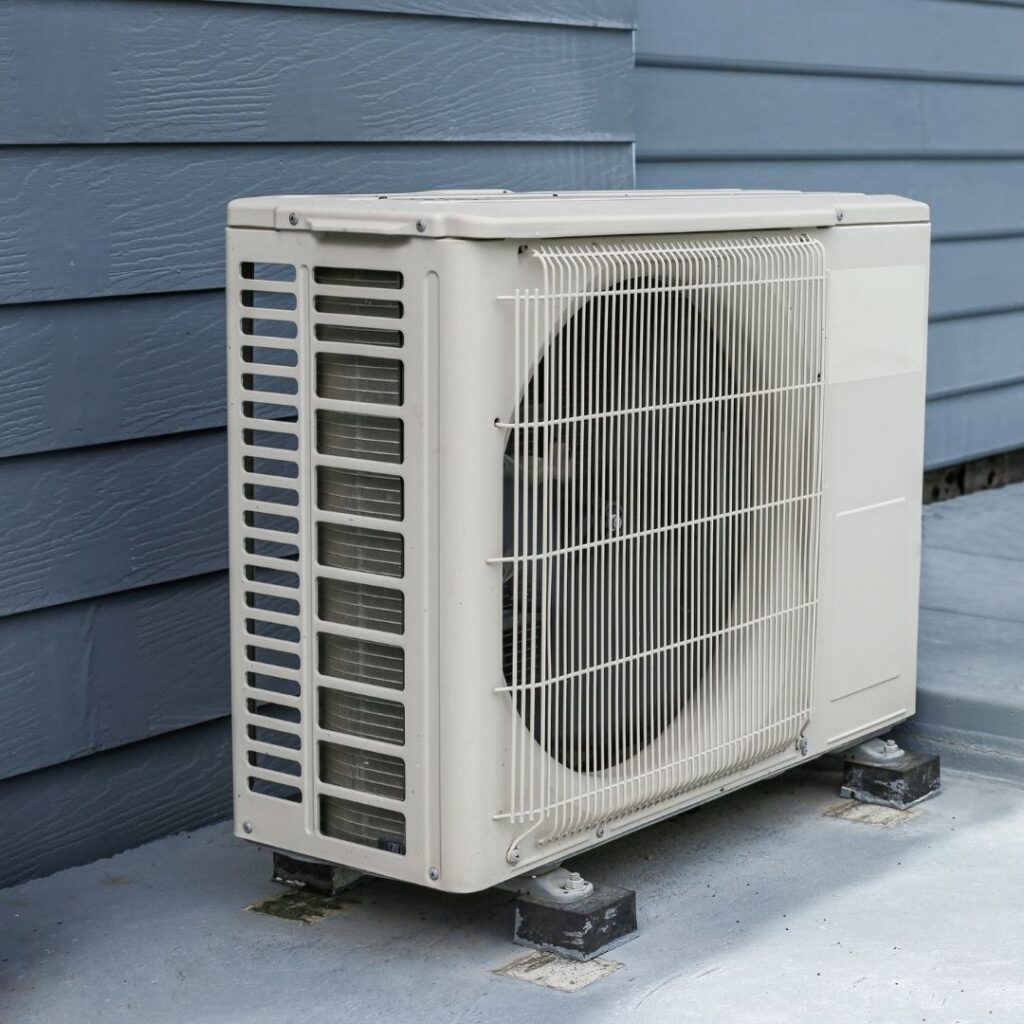
When temperatures rise across the South Denver Metro area, your air conditioner works overtime. Longer cooling cycles, dry heat, and constant use can push aging systems to their limits.
If your unit has been struggling, you may be wondering: Is my AC too old to handle the rest of summer?
Knowing the signs of HVAC failure — and understanding the cost of new AC vs. repair — can help you make a smart decision before a mid-season breakdown.
Signs Your AC May Be on Its Last Legs
If you’re noticing any of the following, your AC system may be nearing the end of its lifespan:
1. Strange Noises or Odors
Banging, rattling, screeching, or musty smells can signal worn-out parts, electrical issues, or internal damage.
2. Inconsistent Cooling
If some rooms feel warm while others are freezing, or your AC runs constantly without reaching the set temperature, efficiency may be declining.
3. Rising Energy Bills
Older systems require more electricity to deliver the same cooling power. A noticeable spike in your utility bill is often a red flag.
4. Frequent Repairs
If you’ve scheduled multiple HVAC repairs this year, those short-term fixes can quickly add up.
5. Age (15+ Years)
Most AC systems last 15–20 years. If yours is approaching or past that range, replacement may be more reliable long-term.
Cost of New AC vs. Repair: What Makes More Sense?
Not every issue requires full replacement. Smaller repairs — like a fan motor, capacitor, or thermostat issue — are often worth fixing, especially if the unit is under 12 years old.
However, replacement may be the smarter investment if:
- Major components (like the compressor) are failing
- Repairs are becoming frequent
- Energy bills keep climbing
- Your system uses outdated refrigerant
Modern AC systems are significantly more energy-efficient, which can lower monthly bills. Many Denver homeowners may also qualify for local rebates, helping offset upfront costs.
A simple rule: if a repair costs 40–50% of what a new system would cost — and your unit is older — replacement is often the better long-term choice.
How to Help Your AC Survive the Rest of Summer
If you’re not quite ready to replace your system, a few proactive steps can help extend its life:
- Schedule professional maintenance to catch small issues early
- Replace air filters every 1–3 months
- Clear debris and landscaping away from the outdoor unit
- Use a smart thermostat to reduce strain during peak heat
These steps won’t reverse aging, but they can improve efficiency and reduce the risk of sudden failure.
Final Thoughts
In Denver’s peak summer heat, an aging AC system can quickly become unreliable. While repairs may seem cheaper at first, repeated breakdowns and rising energy bills often make replacement the more practical investment.
If your system is over 15 years old and struggling to keep up, it may be time to explore your options before it fails during the hottest stretch of the season.
FAQs
What is the average lifespan of an AC system?
Most air conditioners last 15–20 years with proper maintenance.
Is it better to repair or replace an old AC?
If the unit is older and repairs are frequent or expensive, replacement is typically more cost-effective.
Why is my AC cooling unevenly?
Uneven cooling can result from aging components, airflow restrictions, or ductwork issues.
For over 50 years, Southwest Heating & Cooling has been the trusted choice for homeowners across Littleton, Highlands Ranch, Centennial, Castle Rock, Lakewood, Englewood, Parker, and South Denver (service areas). Call Southwest Heating & Cooling today at 303-791-2679 or schedule a service and experience comfort you can count on. You won’t find better service anywhere else.