
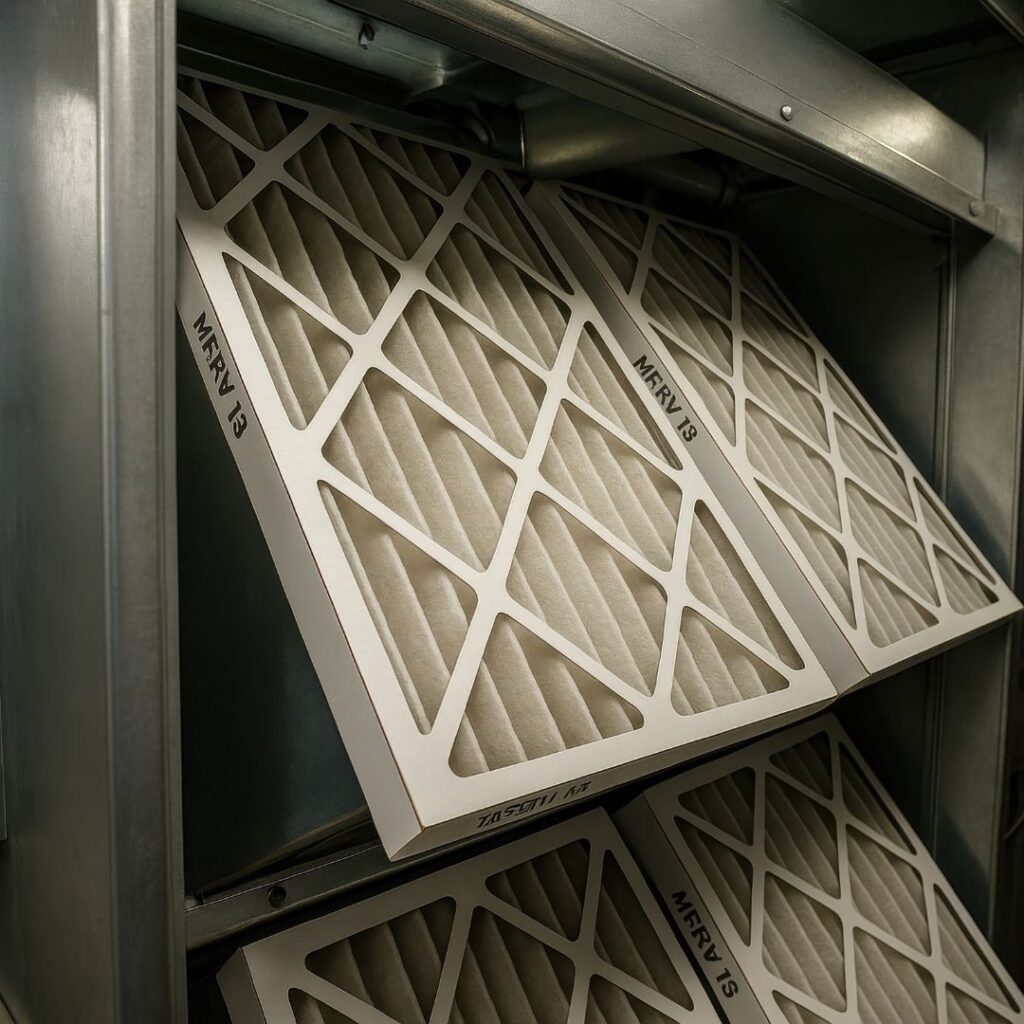
Living along the Front Range means big swings in weather and plenty of dust, pollen, and wildfire smoke drifting through our neighborhoods. As a trusted Littleton-based team since 1973, we’re often asked by neighbors across the South Denver Metro Area how often to change air filters. The good news: with a simple routine, you can keep your home more comfortable, your energy bills in check, and your system running reliably.
Why Clean Filters Matter in Our Climate
A clean filter does more than catch dust. It helps your system breathe, keeps temperatures even room-to-room, and reduces wear on expensive components. Around South Denver, seasonal pollen, construction dust, and occasional smoke events can clog filters faster. Staying ahead of those swings protects your comfort and your budget.
The Simple Answer
For many homes, the general rule is every 30–90 days. That range depends on your filter type, how much you run your system, and what’s happening in and around your home. In our high-plains climate, it’s smart to check monthly and adjust based on what you see.
- If the filter looks gray or you can’t see light through it, replace it now.
- If it’s lightly dusty, recheck in two weeks—especially during peak heating or cooling.
- If it still looks clean after a month, set a reminder for the following month.
Factors That Change the Schedule
Filter Type and Thickness
- 1-inch pleated: 30–60 days
- 2–3 inch pleated: 60–90 days
- 4–5 inch media: 6–12 months (but still inspect monthly)
Pets and People
- One pet: about 60 days
- Multiple pets or shedding breeds: 20–45 days
- Larger households: plan on more frequent changes
Allergies or Asthma
- During peak pollen or if symptoms flare, 20–45 days can make a noticeable difference in comfort.
HVAC Usage and Season
- Heavy summer cooling or steady winter heating: check monthly
- Mild spring/fall: you may stretch replacement into the 60–90 day range
Construction, Dust, or Smoke
- Remodeling, nearby roadwork, or wildfire smoke: inspect every 2 weeks until conditions improve.
A Quick Monthly Check You Can Do
- Turn off the system and slide out the filter.
- Hold it up to a light source. If you can’t see light through much of the surface, it’s time to replace.
- Note the arrow on the frame and slide the new filter in with airflow arrows pointing toward the furnace/air handler.
- Write the date on the frame so you don’t have to guess next time.
Filter Ratings and What They Mean For Timing
Higher-efficiency filters capture finer particles and can help with allergies. They sometimes last longer, but airflow and home activity still matter. In South Denver, where dry air and dust can build up, inspecting monthly is the smartest way to avoid surprises, regardless of rating. If you use a thicker media filter (4–5 inches), 6–12 months is typical, but always let the filter’s condition guide you.
A Neighborly Note From a Local Team
We’ve learned that a clean filter is one of the simplest, most affordable ways to improve comfort, lower energy use, and help prevent breakdowns. It’s a small habit that pays off. Monthly checks—and replacements within the 30–90 day window—keep South Denver homes comfortable, efficient, and worry-free.
For over 50 years, Southwest Heating & Cooling has been the trusted choice for homeowners across Littleton, Highlands Ranch, Centennial, Castle Rock, Lakewood, Englewood, Parker, and South Denver (service areas). Call Southwest Heating & Cooling today at 303-791-2679 or schedule a service and experience comfort you can count on. You won’t find better service anywhere else.